
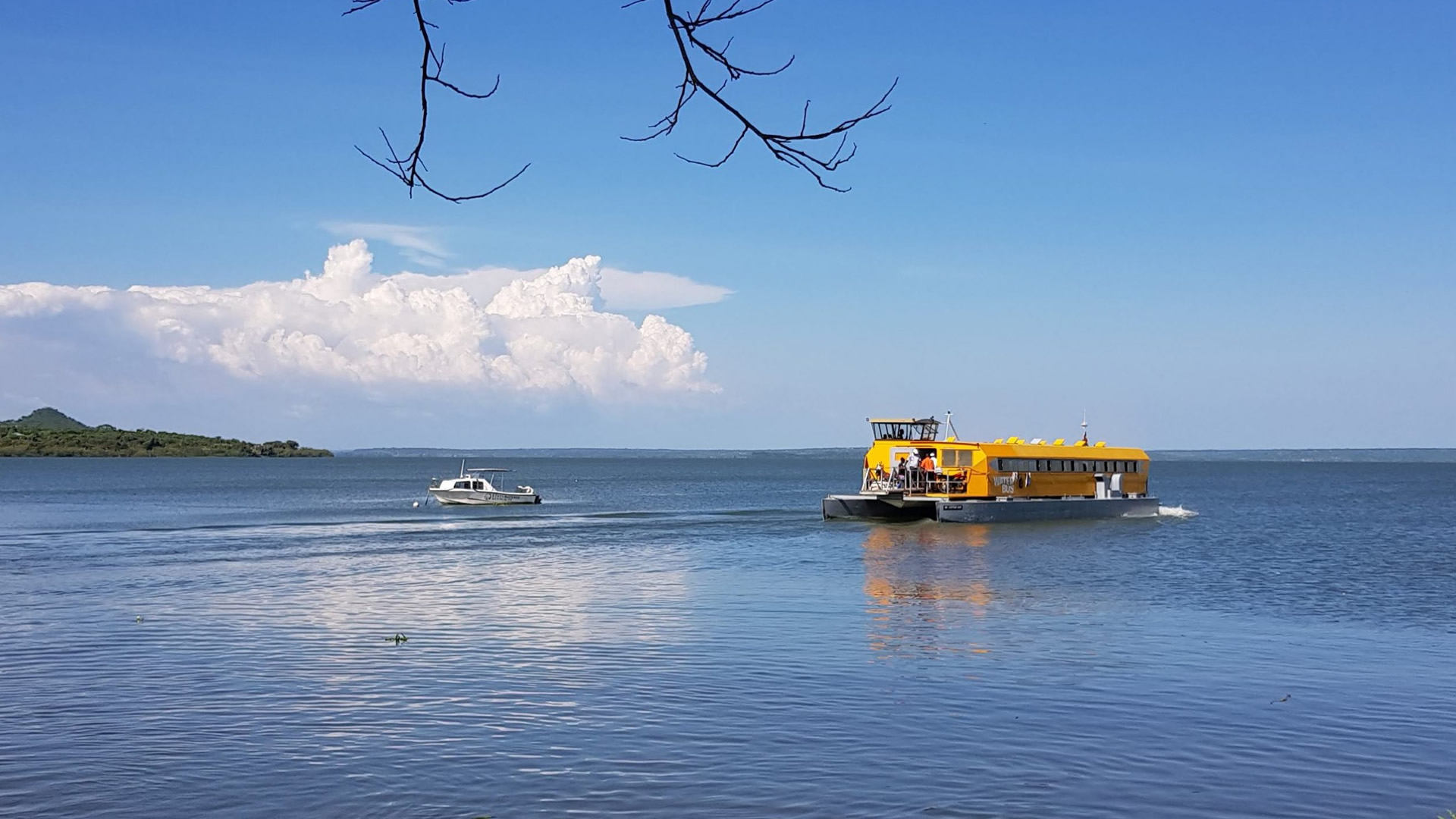
Western Kenya Safari Circuit
The western Kenya circuit is arguably one of the least visited tour circuit in Kenya and yet has so much to offer to tourists. The tropical forests of Kakamega, rare sitatunga antelopes in Saiwa Swamp, ruma national park, Ruma National Park, Ndere Island National Park. The Western circuit is the less crowded with less polluted water sources (lakes), the main fascinating attraction in the west circuit is Lake Victoria the biggest fresh water lake in East Africa. Western circuit is an ideal safari circuit for nature and bird lovers as it is naturally gifted.
Kakamega forest is a habitat for over 300 bird species, the endangered De-Brazza's monkey, the black and white colobus monkey while Ruma national park is the only home to the roan antelope in Kenya and the Saiwa swamp is the only home to the endangered semi-aquatic sitatunga antelope. Below are highlights to some of the major Western Safari attractions.
Kakamega Forest | Highlights
The forest is home to more than 300 bird species and an overwhelming 400 species of butterfly and these can be appreciated on walks and picnics in the reserve. Mammal species in the Kakamega Forest Reserve include Squirrels, Bush bucks, Aardvarks, Porcupines and Giant Forest Hogs. Primates are also plentiful in the forest. Other attractions include giant trees and spectacular waterfalls. There is a Fig Tree that is thought to be over 700 years old in the forest. The forest has a network of hiking trails for visitors to enjoy one of Kenya's most unique attractions.
Book Now


Saiwa Swamp National Park | Highlights
Saiwa Swamp is Kenya’s smallest national park. It basically protects a swamp fed by the Saiwa River, which provides shelter for a viable population of the rare sitatunga antelope. There are several observation towers overlooking the swamp, and with some patience, sightings are almost guaranteed. The park is only accessible on foot. The star attraction of the park is the semi-aquatic sitatunga antelope. Other herbivores are bohor reedbuck, defassa waterbuck, and bushbuck. Several primate species can be spotted in the canopy. The black-and-white colobus and blue monkeys are common along the trail, and vervet monkeys can often be found near the entrance. You might come across the very rare de Brazza's monkey along the swamp’s edge.
Book Now


Impala Sanctuary Kisumu | Highlights
“A Lakeshore Walk with the Impalas”
Set on the shore of Lake Victoria, the largest freshwater lake in Africa, the Kisumu Impala Sanctuary is a peaceful, relaxing place to enjoy the natural beauty that abounds here. The sanctuary hosts impalas, the rare Sitatunga antelope as well as big cats, buffalos, giraffes, cheetahs and several primate species. The sanctuary is also home to five campsites all with spectacular views of Lake Victoria. Bird watching, nature walks and glass bottomed boat rides compliment the activities availed at the sanctuary. A number of the nature Trail circuits are also available during the safari for the tourists. Annually the sanctuary conducts the Kisumu Impala Conservation Boat Race event in November to help create awareness of wildlife, especially the endangered sitatunga antelope.
Book Now


Ruma National Park | Highlights
“Dramatic Valley of the Roan Antelope and Oribi”
A mosaic of landscapes, ranging from riverine woodland and rolling savannah to magnificent escarpments and towering cliffs, Ruma National Park promises undiscovered wildlife treasures and undisturbed peace. It is also Kenya’s last remaining sanctuary for the endangered roan antelope. Ruma lies on the flat floor of the seasonally watered Lambwe River Valley bordered by the Kanyamwa Escarpment to the South-East, and by the volcanic plugs of the Ruri Hills to the north. Ruma’s birdlife is exceptional. The park is also the only protected area in Kenya where the globally threatened blue swallow, a scarce intra-African migrant, is regularly recorded. Blue swallows, which depend upon moist grassland for both feeding and roosting, arrive in Kenya from their breeding grounds in Southern Tanzania around April and depart again in September.
Book Now


Ndere Island National Park | Highlights
“Island of Serenity and Beauty”
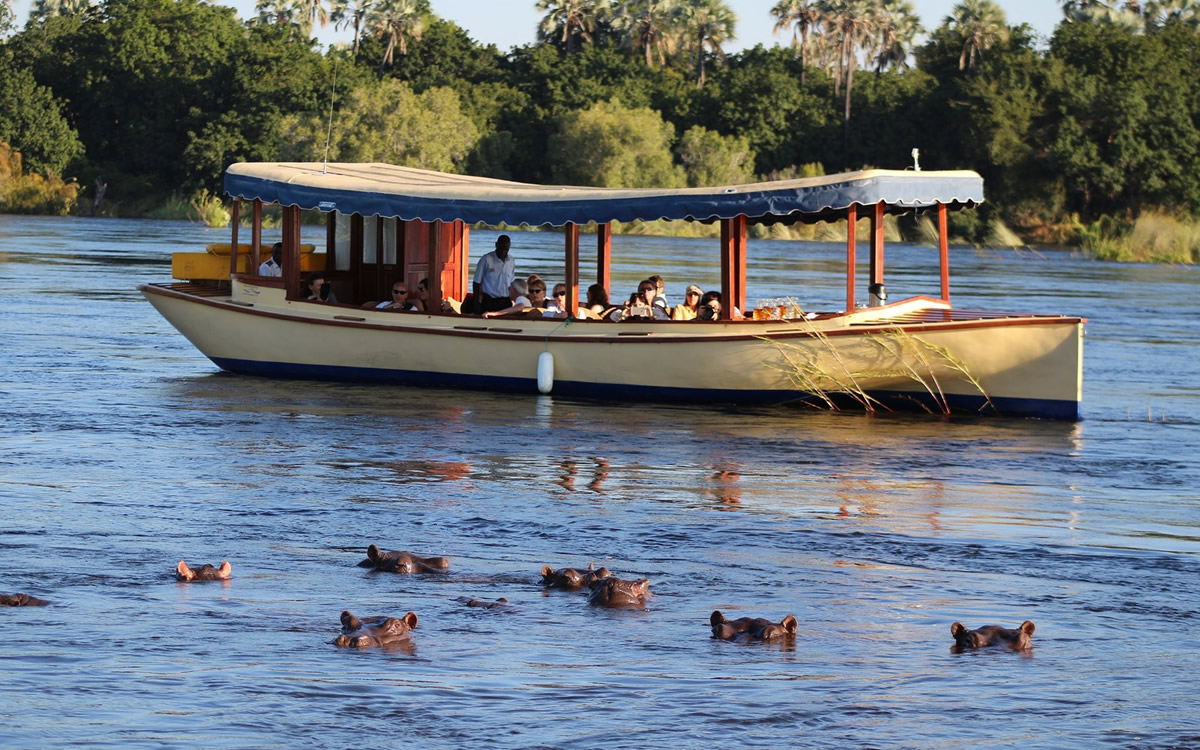
Located on Lake Victoria, this island is a haven for birds. Covered mostly in grassland, Ndere Island provides beautiful scenic views of the Homa hills to the south, Mageta Island to the east and the glimpses of Kampala in Uganda beyond the south west horizon. The lake shore supports a wide variety of animals including hippos, monitor lizards, Nile crocodiles, several fish species, snakes, baboons, impalas, the rare sitatunga antelopes, water bucks, zebras and warthogs. Over 100 different species of birds can be seen here including African fish eagles, black headed gonoleks and grey headed kingfishers.
Book Now


Lake Kanyaboli | Highlights
Lake Kanyaboli is located near the vast Yala Swamp, this reserve is a home to papyrus specialist birds such as the Papyrus gonolek, Papyrus canary, Caruthers cisticola and the globally endangered Papyrus yellow Warbler. These species are endemic to the basin and depend entirely on the habitat for survival. The lake has a number of beaches ideal for picnics and the Ramogi hill located in the swamp is a Luo cultural and archaeological site.
Lake Kanyaboli and its immediate surroundings host a remarkable site of papyrus specialist birds that are endemic to the basin and depend entirely on the habitat for survival. The areas dominated by rich bird life are; Lake Kanyaboli National Birds, Kombo area, Gangu are next to Gangu shrines, the open plane near Rapudo River, The woodland adjacent to the swamp towards Hawinga, Rice fields in the Dominion farm are habitats for migratory birds. The rare and unique Sitatunga can be viewed within Lake Kanyaboli environs.
Book Now


Kit Mikayi | Highlights
Kit Mikayi is a tor, a rock formation that is some 40 meters high. It means the "stone of the first wife" or the "the stone of the first woman" in the Luo Language, Dholuo. The legend of Kit Mikayi tells that many centuries ago there was an old man named Ngeso who was in great harmony with the stones. Every day, when he woke up in the morning, he used to enter the cave inside the stone and stay there all day, forcing his wife to bring him breakfast and lunch. The old man fell passionately in love with this stone to the point that people often asked his wife where he was, and she replied disconsolately that he had gone to his first wife (Mikayi), hence the name "first wife stone" (Kit Mikayi).
A further explanation of this singular rock formation is that according to its characteristics and components, the structure represents the polygamous family of the Luo tradition that had the house of the first wife (Mikayi) built later on the right side was the house of the second wife (Nyachira), while the house of the third wife (Reru) was built on the left side of the house. For a long time, this stone was a sacred place for the villagers as well as a place of worship and tribal initiation rites.
People access the shrine for many different reasons, including praying, taking oaths, undertaking rituals and associated practices, and enjoying its natural beauty. During times of catastrophe like hunger and famine, Luo elders would conduct rituals at the shrine and rain and bounty harvests would follow. Elderly men and women of excellent social standing would guide the rituals; while men would partake in activities such as slaughtering the animals, women did the singing, dancing and cooking of the foods accompanying the rituals. For generations, the community has relied on the shrine as a sacred site, where they could visit and commune with the Deity. However, the element is now threatened by various factors, including the decreased frequency of its enactment, ageing bearers and practitioners, and encroachment upon the surrounding cultural spaces.
Book Now


Crying Stone of Ilesi | Highlights
Deep in western Kenya, three kilometres outside Kakamega town on a ridge that overlooks the Kisumu-Kakamega highway, stands The Crying Stone of Ilesi. Known in the local tongue as Ikhongo Murwi, it is about forty metres tall – a large boulder balanced on a column of rock with water flowing from a groove in the centre. The strange rock formation resembles a solemn head resting on weary shoulders and, from certain angles, it looks like a person who is crying.
Among the Isukha community that lives nearby, it is believed the stone's "tears" are a harbinger of a bumper harvest, while in pre-colonial times, before the British expanded their influence in Kenya, the rock acted as a good omen for local Isukha warriors. One account says Nandi warriors, believing the rock was a source of strength for Isukha fighters, tried to pull it down but failed. By the end of the day, more than 100 Nandis had died in battle.
Book Now


Ndanu Falls | Highlights
Little-known Ndanu Falls in Gem, Siaya County, is one of the most breathtaking waterfalls in Nyanza. With a beautiful and natural rocky backyard, it has for over the years attracted local and foreign tourists who visit the place to meditate or enjoy the beautiful scenery. Within Ndanu Falls, there is Sangu Island - a brilliant spot for nature walks and photography. There is a hippo pool and colobus monkeys can be spotted. You will also enjoy scenic views of the waters of River Yala beneath the lush hills of Gem. Anybody who goes there is also able to watch birds like palm vultures
Book Now


